

There are 100,000 miles of blood vessels in the adult human body – arteries carry oxygen-rich blood away from the heart, while veins return oxygen-poor blood back to the heart. Vascular disease includes any condition that affects this system, some of which are highly treatable (often without surgery) while others can cause severe disability and even death.
Causes of Vascular Disease
The cause of a vascular disease depends on the specific disease. While sometimes the cause is unknown, it oftentimes includes:
- Genetics
- Heart diseases such as high cholesterol and high blood pressure
- Infection
- Injury
- Medicines, including hormones
Vascular Disease Risk Factors
Risk factors for vascular diseases can also vary depending on the specific disease. But some of the more common risk factors include:
- Age (risks increase as you age)
- Diabetes or high cholesterol
- Family history
- Infection or injury
- Lack of exercise
- Obesity
- Pregnancy
- Sitting or standing for long periods
- Smoking
Common Vascular Conditions
Three vascular diseases – heart attacks, strokes and peripheral arterial disease – are among the main causes of illness and death in the U.S.. Summa Health vascular surgeons treat these and other vascular conditions, such as:
- Aortic aneurysm
- Arterial embolism
- Arterial insufficiency
- Arteriovenous fistula
- Arteriovenous malformations
- Atheroembolic renal disease (AERD) Atherosclerosis
- Blood clots
- Carotid artery disease
- Critical limb ischemia (CLI)
- Deep vein thrombosis (DVT)
- Hepatic ischemia
- Lymphedema
- Mesenteric artery ischemia
- Peripheral Arterial Disease (PAD)
- Pulmonary embolism
- Raynaud’s phenomenon
- Renal artery disease
- Stroke
- Thrombophlebitis
- Transient ischemia attacks (TIAs)
- Stasis dermatitis and ulcers
- Varicose veins
- Venous insufficiency

Should I be screened for vascular disease?
Peripheral vascular disease (PVD), also known as peripheral artery disease (PAD), occurs when blood vessels that supply blood to the limbs and organs are partially or completely blocked by the build-up of plaque (atherosclerosis). Plaque deposits gradually harden and narrow the vessels, which limits the supply of oxygen to the legs and other parts of the body. Screening for PVD can detect early signs of the disease so it can be treated to prevent further damage.
Vascular Disease Treatments
Summa Health vascular surgeons are specialists who are highly trained to treat diseases of the vascular system. They make sure that patients with vascular health issues know and understand all their options, from medical management to the surgical repair and redirect of diseased blood vessels.
Medical Management
Many vascular problems can be treated with medication or exercise. Your Summa Health vascular surgeon will make sure you know and understand all your treatment options.
Surgical Services
The Summa Health vascular team is skilled in minimally invasive (endovascular) surgical techniques, as well as traditional surgical techniques for conditions that are not treatable using less invasive strategies. Below is a listing of some of the many surgical services and procedures Summa Health offers:
- Abdominal aortic aneurysm repair
- Open (AAA)
- Endovascular (EVAR)
- Angiography
- Carotid
- Cerebral
- Extremity
- Pulmonary
- Renal
- Visceral
- Angioplasty and stent placement
- Carotid arteries
- Peripheral arteries
- Arteriovenous (AV) fistula
- Atherectomy
- Embolization
- Endarterectomy
- Endovascular stent grafting
- Inferior vena cava (IVC) filter placement
- Stenting
Vascular Imaging and Testing
Major diseases often go undetected because signs or symptoms are not obvious. While an estimated 80 percent of strokes are preventable, many times it can be too late by the times symptoms appear. Summa Health’s goal is to provide you with vital information about your cardiovascular condition so you and your physician have the power to get you on the road to better health.
Noninvasive vascular testing consists of imaging technologies such as ultrasound and Doppler imaging to diagnose circulation problems in the arms, legs, arteries of the neck and in the abdomen that indicate a blockage caused by plaque or a blood clot.
Some of our noninvasive diagnostic imaging and testing include:
Pulse Volume Recording
Pulse volume recording is a noninvasive test that measures blood flow within the blood vessels (arteries) in the legs or arms. If a PVR suggests that you have a blockage in one or more arteries, your physician may order additional tests to confirm a diagnosis and design an appropriate treatment plan. There are several types of PVR, including the ankle brachial index (ABI). A PVR also may be called a vascular study or Doppler segmental pressure study.
Arterial Ultrasound
An arterial ultrasound is a painless exam that uses high-frequency sound waves (ultrasound) to capture internal images of the major arteries in the arms, legs and neck. Doctors use this test to see how blood moves through arteries. Doppler ultrasound imaging is an imaging test used to provide an anatomic view of the arteries and report on blood velocity and flow characteristics. Ultrasound imaging is sometimes combined with another imaging technique called Doppler, the two combined are called duplex ultrasound. These tests can also help identify areas of arterial blockage and help doctors decide which patients may need surgical interventions.
Carotid Artery Duplex Vascular Ultrasound
This test uses ultrasound to show how well blood is flowing through the arteries in the neck (carotid arteries). The carotid arteries supply blood to the brain. During this test, you will be asked to lie on your back. Your head will be supported to prevent it from moving during the test. The sonographer applies a water-soluble gel on your skin and gently runs a handheld device called a transducer over the area of the carotid arteries in your neck. The device sends high-frequency sound waves to the arteries in your neck. The sound waves bounce off the blood vessels and form images (pictures) of the insides of the arteries.
Venous Ultrasound of the Arms or Legs
This test uses ultrasound and manual pressure to examine the blood flow to the major veins in the arms and legs. A water-soluble gel is placed on the skin and a handheld device called a transducer, which directs high frequency sound waves to the veins being tested, is used to create images. These tests can identify areas of venous obstruction and help doctors decide which patients may need intervention.

Vascular care that never clocks out.
Emergencies like Logan’s demand immediate action. That’s why the Summa Health vascular team – the largest in Summit County – is available 24/7 for urgent vascular needs while also offering elective procedures that help patients address vascular conditions early and avoid complications.
Vascular Surgeons
.jpg)
Madeline T Heald, MD
Specialties: Vascular Surgery
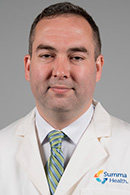
Andrew Martin, MD
Specialties: Vascular Surgery
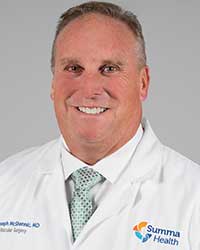
Joseph R McShannic, MD
Specialties: Vascular Surgery
John A Moawad, MD
Specialties: Vascular Surgery
Drazen Petrinec, MD
Specialties: Vascular Surgery
Advanced Practice Providers
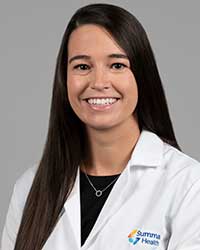
Emily Kitson, PA-C
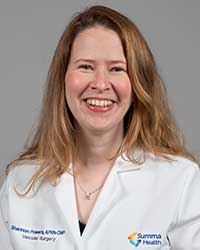
Shannon Powers, APRN
Locations
Akron — Vascular Surgery
95 Arch St, Suite 215
Akron, OH 44304
330.434.4145
View on map.
Barberton — Vascular Surgery
201 Fifth St NE, Suite 2
Barberton, OH 44203
330.434.4145
View on map.
Green — Vascular Surgery
1790 Graybill Road, Suite 100
Uniontown, OH 44685
330.434.4145
View on map.