
Colorectal Cancer
Colorectal cancer is divided into two types:
- Colon cancer is cancer of the large intestine
- Rectal cancer is cancer of the rectum, which is the last part of the large intestine before reaching the anus
Consider the following statistics related to colorectal cancer:
- Colorectal cancer is the third most commonly diagnosed cancer in males and females.
- It is the third leading cause of cancer death in both males and females, and the second overall when males and females are combined, approximately 53,000 deaths annually.
- Colorectal cancer is one of the more curable and preventable forms of cancer if detected early
- Early-stage colorectal cancer can have survival rates of over 90%
- The survival rate drops sharply for cancers that are more advanced
- Screening tests for colorectal cancer, especially colonoscopies, can prevent cancer by detecting pre-cancerous polyps and removing them before they turn into cancer
What are the signs and symptoms of colorectal cancer?
Usually, colorectal cancer does not cause any symptoms. That is why screening is so important. When colorectal cancer causes symptoms, these are the most common:
- Bleeding from the rectum
- Blood in the stool, or in the toilet after having a bowel movement
- Dark or black stools
- A change in bowel habits such as diarrhea, constipation, or narrowing of the stool
- Cramping, pain, or discomfort in the lower abdomen
- Unintended weight loss
- Weakness and fatigue
- A feeling that you need to have a bowel movement that is not relieved by doing so
- Constipation or diarrhea that lasts for more than a few days
Risk Factors
Everyone has a risk of getting colorectal cancer, but there are factors that may raise your risk:
- Age: More common after age 45
- Family history of colorectal cancer or polyps, inflammatory bowel disease, ulcerative colitis or Crohn’s disease
- Personal history of colon polyps
- Smoking
- Obesity
- Drinking alcohol
- Lack of physical activity
- Diet high in red meat
Genetic Risk Factors:
Most colorectal cancer is not inherited. However, there can be a higher risk based on your genetics. If you have cancer in your family, especially colorectal cancer, you may need earlier and more frequent screening.
Patients should discuss with their healthcare provider if genetic testing is appropriate for their colorectal cancer diagnosis.
Treatment Overview
Treatment for colorectal cancer usually involves surgery to remove the tumor. Depending on the stage of the cancer, chemotherapy and radiation may also be a part of treatment. Treatment can be complex. Summa Health uses a team of providers from surgery, oncology, pathology, radiology, and radiation oncology to provide the best treatment plan for each individual patient.
Our board-certified colon and rectal surgeons are fellowship-trained in their specialty. They are experienced in many different approaches to surgery, and most surgeries can be done in a minimally invasive way using laparoscopy or robotics.
Colorectal Surgery Specialists

Michael J Cullado, MD
Specialties: General Surgery, Colon and Rectal Surgery

Erica L Laipply, MD
Specialties: Colon and Rectal Surgery

Truong D Ma, MD
Specialties: Colon and Rectal Surgery

Kellen C Welch, MD
Specialties: Colon and Rectal Surgery, General Surgery
Navigators
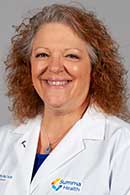
Scarlett Semprini, BSN, RN, OCN
Resources
Locations
Summa Health System - Akron Campus
The Richard M. and Yvonne Hamlin Pavilion
95 Arch St., Ste. 115
Akron, OH 44304
View on map.