
Lung Cancer
Lung cancer is the second most common cancer in both males and females (not counting skin cancer). In males, prostate cancer is more common, while in females breast cancer is more common.
The American Cancer Society’s estimates more than 235,000 new cases of lung cancer in the United States for 2021 and about 131,880 deaths from lung cancer. It is the leading cause of cancer deaths in the United States.
Why? In the past, people had to wait until they experienced symptoms, like a chronic cough, before scheduling a lung cancer screening exam. By then, the cancer was more difficult to treat and cure and the five-year survival rate dropped drastically. That’s why lung cancer is the number one cause of cancer deaths for males and females. That’s also why the CT lung screening test is so important.
The most important risk factor for lung cancer is tobacco use. The percentages of lung cancers estimated to be caused by tobacco smoking in males and females are 90 percent and 78 percent, respectively. Additional causal factors are primarily related to occupational exposures to agents such as asbestos, arsenic, chromium, nickel and radon.
What are the signs and symptoms of lung cancer?
Lung cancer usually does not cause symptoms when it first develops, but symptoms often show after the tumor begins growing. A chronic cough is the most common symptom of lung cancer. Other symptoms include:
- Constant chest pain
- Shortness of breath
- Wheezing
- Recurring lung infections, such as pneumonia or bronchitis
- Bloody or rust-colored sputum (phlegm)
- Hoarseness
- Swelling of the neck and face, caused by a tumor that presses on large blood vessels near the lung
- Pain and weakness in the shoulder, arm or hand, caused by a tumor that presses on certain nerves near the lung
- Fever for an unknown reason
None of these symptoms is a sure sign of lung cancer. Only a doctor can tell whether a patient's symptoms are caused by cancer or by another problem. Consult your doctor for a diagnosis.
To schedule your CT lung screening call toll-free 330.319.9482 or request an appointment online at any time. Our staff will contact you to confirm your appointment time, location, date and other details.
Risk Factors
Smoking is by far the leading risk factor for lung cancer. The risk of lung cancer for smokers is many times higher than for non-smokers. The longer you smoke and the more packs a day you smoke, the greater your risk.
Cigar smoking and pipe smoking are almost as likely to cause lung cancer as cigarette smoking. Smoking low-tar or “light” cigarettes increases lung cancer risk as much as regular cigarettes.
Secondhand smoke also can increase your risk of developing lung cancer. It is thought to cause more than 7,000 deaths from lung cancer each year.
Exposure to certain gases or elements also can increase your risk of developing lung cancer. These include:
- Radon
- Asbestos
- Radioactive ores such as uranium
- Inhaled chemicals such as arsenic, beryllium, cadmium, silica, vinyl chloride, nickel compounds, chromium compounds, coal products, mustard gas, and chloromethyl ethers
- Diesel exhaust
In addition, like most cancers, there are risk factors you cannot change, such as:
- Previous radiation therapy to the lungs
- Air pollution
- Personal or family history of lung cancer
Lung Cancer Treatments Options
In cancer care, multiple physicians often work together to create a patient’s overall healthcare plan that combines different types of treatments. For lung cancer, there are five primary treatment options:
- Surgery
- Radiation therapy
- Chemotherapy
- Targeted therapy
- Immunotherapy
Specific treatments for lung cancer may depend on several factors, including the type and stage of cancer, possible side effects from treatment and the patient’s preferences and overall health. Your overall care plan may also include treatment for symptoms and side effects, an important part of cancer care.
Summa Health also offers specialized bronchoscopy techniques, such as electromagnetic navigational bronchoscopy (ENB) and Endobronchial Ultrasound (EBUS).
Thoracic Oncology Surgery Specialists
.jpg)
Maureen E Cheung, DO
Specialties: Cardiothoracic Surgery, Cardiac Surgery, Thoracic Surgery
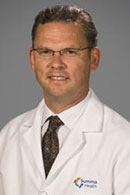
Eric A Espinal, MD
Specialties: Cardiothoracic Surgery, Cardiac Surgery, Thoracic Surgery
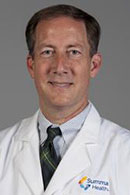
Kevin L Mayor, MD
Specialties: Cardiothoracic Surgery, Cardiac Surgery, Thoracic Surgery
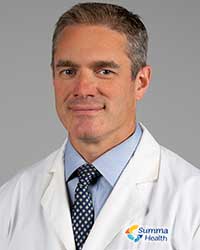
Richard Carter, DO
Pulmonologists
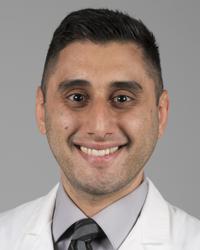
Mansur H Assaad, MD
Specialties: Pulmonology, Critical Care Medicine, Internal Medicine
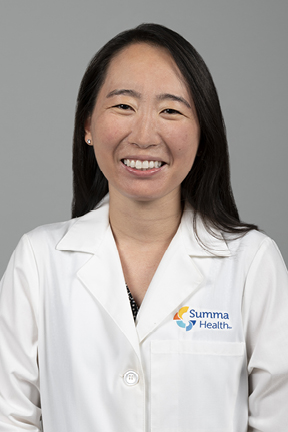
Chelsea M Kennedy-Snodgrass, DO
Specialties: Pulmonology, Critical Care Medicine
/gerber-robert-1023059110.jpg)
Robert B Gerber, MD
Specialties: Pulmonology
Brian D Bauman, MD
Specialties: Pulmonology, Critical Care Medicine
.jpg)
Michael J Forte, MD
Specialties: Pulmonology, Critical Care Medicine
Masroor Mustafa, MD
Specialties: Sleep Medicine, Pulmonology, Pulmonary Critical Care
Advanced Practice Providers
Maria Lorenzo, APRN-CNP
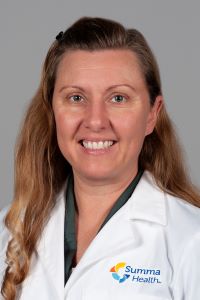
Tammy Smithson, APRN-CNP
Navigators
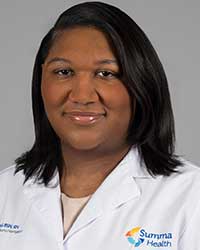
Shyra Bell, BSN, RN

Sandy Kohut, RRT

Valerie Slezak, RN, BSN

Gretchen Wildman, RN, BSN
Lung Cancer Care Locations
Summa Health Lung Nodule Clinic—Akron
75 Arch St. Ste. 501
Akron, OH 44304
View on map.
Summa Health Thoracic Multidisciplinary Clinic
161 N Forge St., Ste. G90
Akron, OH 44304
View on map.
Summa Health Lung Nodule Clinic—Barberton
155 5th St. NE,
Barberton, OH 44304
View on map.
Summa Health Lung Nodule Clinic—Medina
3780 Medina Rd., Suite 220
Medina, OH 44256
View on map.
Summa Health Lung Nodule Clinic—Stow-Kent
3825 Fishcreek Rd., Ste. 200
Stow, OH 44224
View on map.