Think You Have a Rotator Cuff Tear?

If so, you’re not alone. A rotator cuff tear is one of the most common shoulder injuries – making many daily activities extremely painful and difficult to perform. Common signs to watch for include:
- A deep, dull shoulder pain along the outside of the arm or shoulder that extends down towards the elbow.
- Weakness or pain when lifting or rotating the arm above the head.
- Worsening pain with overhead activities, behind the back and at night while trying to sleep.
If these symptoms sound familiar, here’s what to know.
What is a rotator cuff injury
The rotator cuff is a series of four muscles and tendons that connect the shoulder to the shoulder blade. It keeps the shoulder joint stable while allowing the arm to rotate. The leading cause of rotator cuff issues is overuse and not keeping the muscles strong. While this is typically known as rotator cuff tendinitis, it’s also referred to as impingement, bursitis or even bone spurs.
Rotator cuff tendinitis causes inflammation and shoulder or arm pain, especially at night or during repetitive overhead activities like painting, throwing a ball, swimming or swinging a racket. Another main cause of rotator cuff issues would be a tear of the rotator cuff. This can be degenerative as we grow older or the result from an injury, such as a fall onto an outstretched arm or hand. Other risk factors include family history and smoking.
Prevention of rotator cuff injuries
Over time people are prone to injuries no matter what. However, keeping the shoulder muscles strong and implementing a good maintenance program directed at the rotator cuff and shoulder blade muscles can help prevent recurring issues.
Lifting weights, for example, are not bad for the shoulder and actually encouraged as long as done correctly. Summa Health Sports Medicine can provide guidance or consult with physical therapy if there is any concern that lifting weights may be hurting the shoulder.
When you should see a specialist
For those experiencing pain in the shoulder area and needing quick relief, there are some non-surgical treatments available:
- Rest and activity modification.
- Anti-inflammatory medications (aspirin or ibuprofen) and steroid injections.
- Specific and targeted exercises, including physical and occupational therapy.
However, it is important to see a specialist immediately if the shoulder is injured. For example, if a patient cannot raise their arm or if they are continuing to experience pain and swelling after trying the conservative treatments above. Rotator cuff tears can enlarge over time, and some major tears may not be repairable. It’s best to consult a doctor when symptoms develop.
Evaluation and diagnosis of your rotator cuff
Diagnosis of a rotator cuff injury is best done through an exam with an orthopedic sports medicine specialist. The orthopedic specialist will likely perform a comprehensive evaluation and recommend a treatment plan based on the extent of the injury/condition, medical history and pain.
Basic X-rays can help to rule out some common issues such as arthritis. But if there is a concern for significant damage or symptoms that do not get better with the treatments discussed, an MRI is commonly performed to confirm diagnosis and help with potential surgical management.
Rotator cuff injury treatment options
While non-surgical treatments such as rest, physical therapy, medications and injections can typically help patients with minor rotator cuff injuries, significant tears of the rotator cuff may require surgery in order to repair and heal. It’s important not to wait.
Depending on the tear, the rotator cuff muscle can start to weaken or turn to fat and scar tissue. If this happens, there is potential that the tendon cannot be repaired. If there is enough concern about a significant injury, it is important to see a specialist sooner rather than later.
Rotator cuff injury recovery
If a rotator cuff injury is responsive to conservative treatments, it typically improves over the course of a month or two. If surgery is required to repair the tendon, proper healing and physical therapy are very important aspects of the care. Depending on the size of the tear, recovery after surgery can take six to 10 months for the rotator cuff to fully heal.
Learn more
If you have concerns regarding your rotator cuff, reach out to a trusted specialist at Summa Health Orthopedic Sports Medicine. We have two fellowship-trained sports medicine surgeons, seven primary care sports medicine physicians, and a number of specially trained physician assistants who are trained in the workup and treatment of rotator cuff issues.To learn more, visit summahealth.org/ortho. For an evaluation, call 330.835.5533 to make an appointment at any one of our many convenient locations.
About the authors
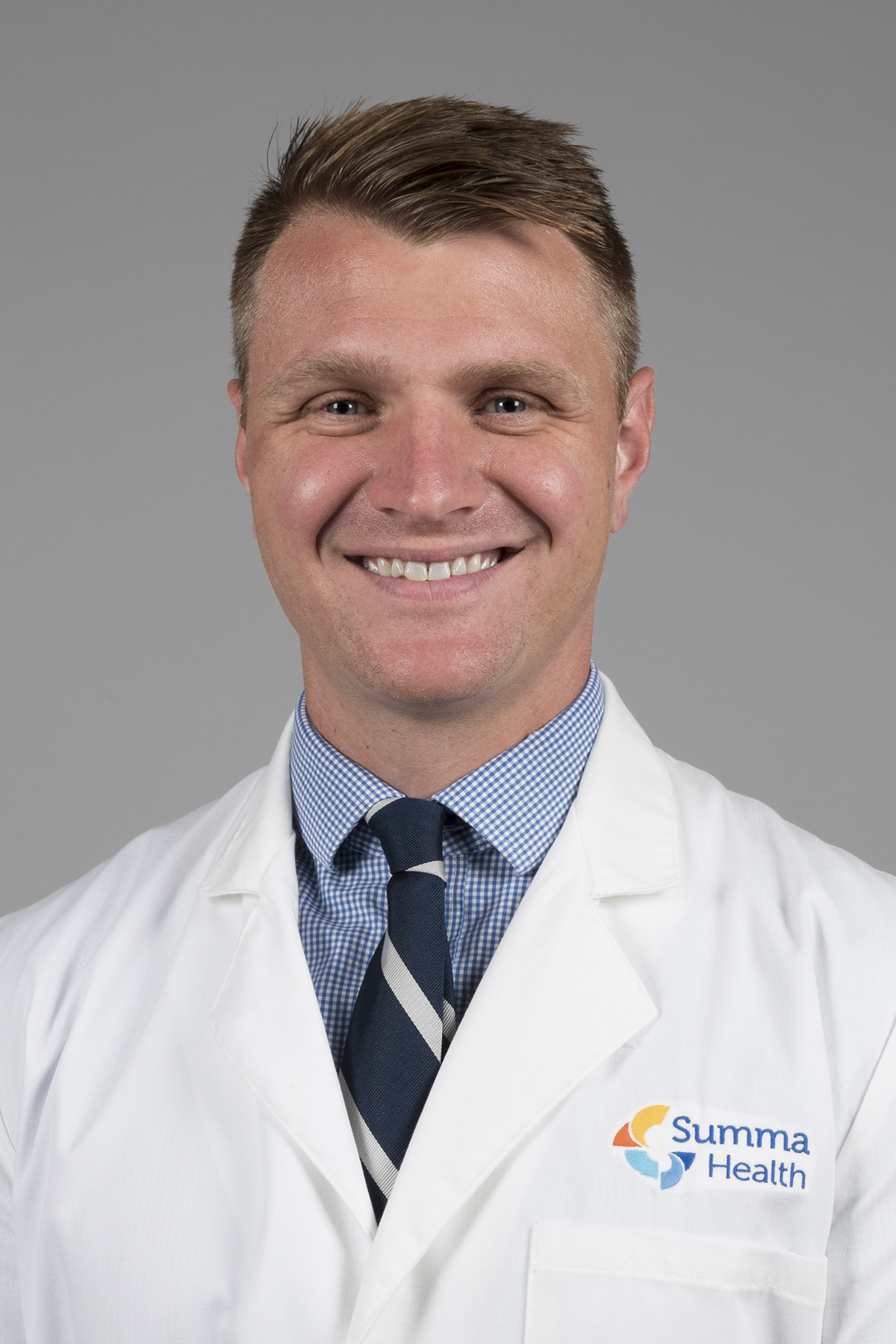
Joseph L Rabe, M.D.
Orthopedic Surgeon, Sports Medicine
Joseph Rabe, M.D., is a fellowship-trained surgeon who specializes in orthopedic sports medicine. His special interests include arthroscopic hip, shoulder and knee surgery, ligament reconstruction, tendon repair, fracture care, sports medicine-related injuries and labral repair.
View All Joseph L Rabe, M.D.'s Content
Vitality General Wellness eNews Sign Up
Receive the Summa Health eNewsletter for the latest health tips, advice and updates.