What to Know About Varicose Veins
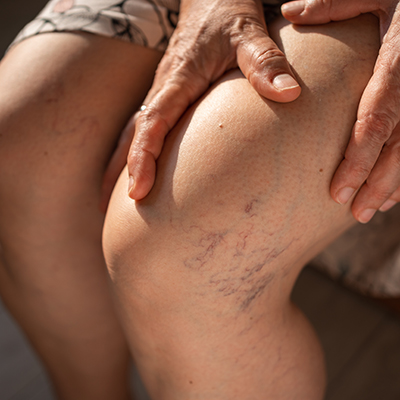
As summer arrives and hemlines rise, many people start thinking about showing a little more leg. If you’re noticing bulging, twisted veins on your legs, you’re not alone. Varicose veins affect millions of adults – and while they may be a cosmetic concern for some, they can also signal an underlying vein condition that deserves attention.
What Are Varicose Veins?
Varicose veins are enlarged, rope-like veins that most often appear on the legs and feet. They develop when tiny one-way valves inside the veins weaken or stop working. Instead of flowing smoothly back to the heart, blood pools in the vein, causing it to stretch and become visible beneath the skin.
Common Symptoms
- Varicose veins aren’t always painful, but they can cause:
- Aching, heavy or tired legs
- Swelling in lower legs or ankles
- Throbbing or cramping
- Itching or skin discoloration
Symptoms often worsen after long periods of standing or sitting.
When It’s More Than Cosmetic
Left untreated, vein disease can progress. Signs that it’s time to see a vascular specialist include:
- Persistent or worsening leg swelling
- Skin darkening or thickening near the ankles
- Open sores (venous ulcers) that are slow to heal
- Red, painful surface clots (superficial thrombophlebitis)
- Sudden leg pain or swelling, which could signal a deep vein thrombosis (DVT) – a medical emergency
- Bleeding from a vein close to the skin
Safe, Effective Treatment
The good news? Varicose veins are highly treatable. Today’s vein treatments are quick, outpatient procedures – including sclerotherapy and endovenous ablation – that allow most patients to return to normal activities shortly afterward.
If leg discomfort, swelling or visible veins are keeping you from feeling confident this summer, don’t ignore the signs. Vein disease is progressive, but it’s very manageable when treated early.
Schedule an appointment with the Summa Health Vascular team today and step into the season feeling your best. Call 330.434.4145 or visit summahealth.org/vascular to learn more.
About the author
Joseph McShannic, MD
Vascular Surgeon
Specializes in vascular diseases such as cholesterol build up in arteries and enlargement of blood vessels and varicose veins.
View All Joseph McShannic, MD's Content
Vitality General Wellness eNews Sign Up
Receive the Summa Health eNewsletter for the latest health tips, advice and updates.