The Stroke Risk Factors That Affect Females Differently

Our brains are the central computers of our bodies — they keep everything running as it should — regulating breathing, heartbeat and a multitude of other functions. Health issues attacking the brain quickly become very serious, deserving close attention and immediate action. A stoke is a perfect example of a time-sensitive, brain-related health issue; this article will cover the specific stroke risk factors that females should be aware of to better care for their health.
A stroke occurs when there is an abrupt interruption of the normally constant blood flow to the brain; these types of interruptions cause loss of neurological function. An ischemic stroke is caused by blood vessels becoming narrow or clogged by blood clots or plaque build-up, cutting off blood flow to brain cells. This makes up about 80 percent of all strokes. The interruption of blood flow to the brain can also be caused by a leaking or rupturing artery in the brain which leads to bleeding in the brain; this is referred to as a hemorrhagic stroke.
The effects of a stroke, including the severity of those effects, depend on where in the brain the stroke occurs and the extent of the damage. Brain cells require a constant supply of oxygen to stay healthy and function properly; blood needs to be supplied continuously to the brain to keep the body’s computer up and running properly. Disruption of blood flow to the brain for even a short period of time can be devastating, causing brain damage or even death. Even though strokes are a dangerous health condition, up to 80 percent of strokes are preventable.
Because they tend to take care of others, females often put the needs of their family or loved ones above their own. It is essential that females learn to prioritize their health and be aware of the stroke risk factors that could apply to them. More proactive self-care also means they can continue to care for significant others longer. Below is a breakdown of stroke risk specific to females.
Pregnancy, Menopause and Hormones
- Pregnancy can elevate a female’s risk; preeclampsia increases these stroke risks even further.
- Those who have at least one pregnancy prior to menopause or a hysterectomy and those who have a history that includes preeclampsia all have a higher risk of stroke than those who have none of those medical histories.
- Those who have experienced a miscarriage or stillbirth also experience an elevated stroke risk.
- Oral contraceptives or post-menopausal hormone medications may elevate the risk of stroke.
- Recent evidence supports that clot buster medication to stop a stroke (thrombolytic) and clot-removal procedures (thrombectomy) are safe and a standard of care treatment for pregnant stroke patients and should not be withheld.
Age
- Studies have shown that since females typically have longer life expectancy than males, they are also more likely to have more severe strokes and therefore may also have more fatal strokes. In 2023, more than 55 percent of fatal strokes were experienced by females.
- It is important to note that strokes are not only a concern for the elderly; 40 percent of Summa Health stroke patients are under the age of 66, and 6 percent of strokes happen to those younger than 45.
Other Contributing Health Factors
Females should also be aware that some health conditions can compound their risk of stroke.
- Hypertension (more commonly known as high blood pressure) is the most important risk factor and the leading cause of stroke for both males and females. Unfortunately, hypertension is often not well controlled and therefore leads to many strokes that may have been prevented.
- Those who have diabetes have a higher risk of stroke than their male counterparts. Their risk of a fatal stroke is 8 percent higher than the risk that males face—particularly as females age.
- Experiencing weight gain in midlife also carries a higher risk of stroke in females than in males.
- AFib (atrial fibrillation), is an irregular heartbeat. Because this condition increases with age and females have a longer lifespan, it tends to affect females more than males. AFib is a major risk factor that contributes to females experiencing more severe strokes.
Prevention and Reducing Risk Factors
The key to stroke prevention is learning about your personal risk factors, working to control as many as possible and responding quickly when a stroke is suspected. Some of the ways to reduce risk stroke risk include:
- Proper management and control of health conditions like hypertension, diabetes and atrial fibrillation.
- Maintaining a healthy weight and regular exercise regimen
- Make healthy dietary choices. Look to reduce sodium, fat and cholesterol in the foods you consume as much as possible. Also, the less-processed the better—seek natural foods and fruits/vegetables as often as possible.
- If you smoke or vape, quit. Those who smoke or vape have higher stroke risk.
- Always take your medications as prescribed, never allow them to lapse or expire without a refill, not even for a couple of days. Proactively reach out to your healthcare provider to request medication refills. The pharmacy can also do so on your behalf.
If you feel you, or a loved one, may be experiencing a stroke—TIME IS BRAIN—ALWAYS call 911 immediately and seek emergency medical care. Ask to be taken to Summa Health System – Akron Campus, an award-winning Comprehensive Stroke Center. EMS will provide advance notification to the stroke care team to ensure you or your loved one receives the urgent care that is needed. Summa Health offers advanced stroke treatment, including IV clot buster medication (thrombolytic) and clot-removal (thrombectomy) procedures to improve the likelihood of having a positive outcome and being able to return home.
To learn more about stroke and the award-winning care that Summa Health offers, visit summahealth.org/stroke.
About the author
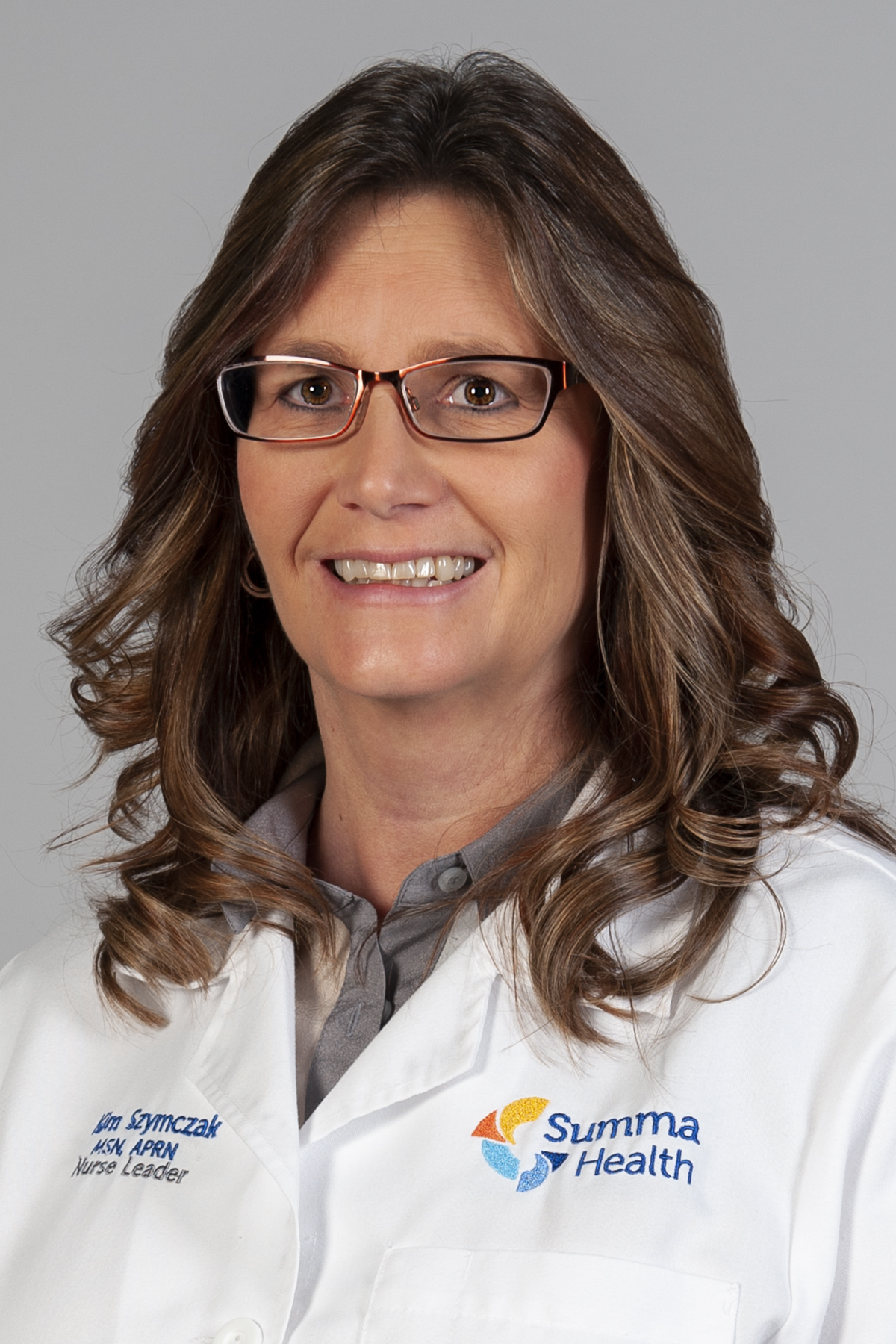
Kim Szymczak, MSN, APRN-GCNS, SCRN
Summa Health Stroke Coordinator
Vitality General Wellness eNews Sign Up
Receive the Summa Health eNewsletter for the latest health tips, advice and updates.