Navigating Menopause with Diabetes
Menopause is a natural phase of life for females, most commonly beginning between ages 51 and 52. For females living with diabetes, it can bring unique challenges. Hormonal changes during this transition can affect blood glucose management, weight and overall health.
How does menopause affect blood glucose levels in females living with diabetes?
During menopause, levels of estrogen and progesterone fluctuate and eventually decline. These hormonal shifts can make blood glucose levels more unpredictable. Females living with Type 1 or Type 2 diabetes may experience higher blood glucose levels due to increased insulin resistance. Females living with Type 1 diabetes specifically may notice more frequent lows, while those with an early onset of diabetes (under age 30) can experience earlier menopause.
Will insulin or medication need changes during menopause?
Yes, medication adjustments may be needed during menopause. As insulin sensitivity changes during various stages of menopause, your medication needs may shift. Some females may require higher doses, while others may need adjustments to avoid hypoglycemia. Beyond Type 1 and Beyond Type 2, a nonprofit focused on Type 1 and Type 2 diabetes education and advocacy, suggests talking with your healthcare provider regularly to ensure your treatment plan remains effective.
Clinical tips from the Ohio Department of Health also note that females living with Type 1 diabetes may benefit from automated insulin delivery systems (insulin pumps) during menopause, as they can help manage blood glucose variability.
Does menopause increase the risk of diabetes complications?
Menopause itself does not directly cause complications, but it can increase risk factors. For example, declining estrogen levels are associated with a higher risk of heart disease, which is already a concern for people living with diabetes. The Office on Women's Health highlights that menopause-related weight gain, cholesterol changes, and elevated blood pressure can contribute to long-term health complications.
Are there dietary or lifestyle changes recommended for females with diabetes going through menopause?
Across respected clinical, academic and community health organizations, there is clear agreement that a balanced lifestyle becomes even more important during menopause. Hormonal changes can slow metabolism and promote fat storage, especially around the abdomen. These changes can make weight management more difficult. Shared recommendations include:
- Focus on whole, nutrient-dense foods such as vegetables, lean proteins, whole grains and healthy fats
- Limit processed foods and added sugars
- Monitor portion sizes, carbohydrates and caloric intake
- Stay hydrated – the best choice is water
- Aim for regular physical activity, including both cardio and strength training
- Prioritize sleep 7-9 hours per night
- Practice stress management, as stress can affect eating habits and hormone levels
These habits can help stabilize blood glucose levels and support overall well-being.
Should I monitor my blood glucose more frequently during menopause?
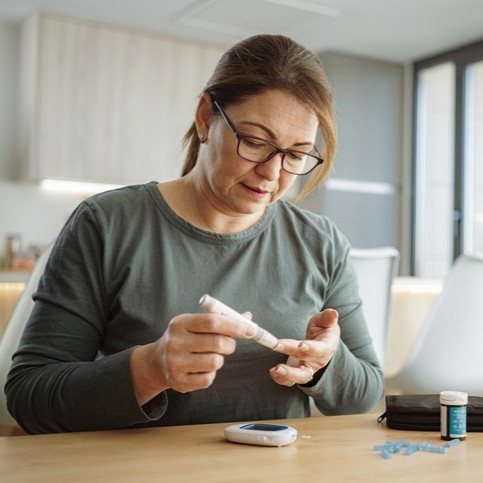
Because blood glucose levels can become less predictable, more frequent monitoring can help you spot patterns and make timely adjustments. This is especially useful during periods of noticeable hormonal fluctuation or if you are experiencing new symptoms. A continuous glucose monitor (CGM) can help track glucose fluctuations while reducing the need for multiple finger sticks.
Are there specific tests or screenings I should have more often during menopause?
Females living with diabetes during menopause should stay up to date on routine screenings and, in some cases, may need them more frequently. According to the Ohio Department of Health, important screenings and tests may include:
- A1C tests to monitor long-term glucose management
- Fasting blood glucose testing
- Cholesterol and lipid panels
- Blood pressure checks
- Bone density scans, as menopause increases osteoporosis risk
- Eye exams and kidney function tests
- Vitamin D testing
- Thyroid function testing
- Iron deficiency screening (if fatigue or heavy bleeding)
As reported by the American Diabetes Association, menopause is not routinely raised at physicians’ visits, so it is important to bring up symptoms with your healthcare provider. Ask your healthcare provider to tailor a screening schedule based on your individual health profile.
Menopause and diabetes can interact in complex ways, but with the right knowledge and proactive care, you can stay in control of your health during this time. Tracking your symptoms, maintaining healthy habits, and working closely with your healthcare team can make this transition smoother and more manageable. If you notice significant changes in your blood glucose patterns or overall health, do not hesitate to seek guidance, early adjustments can make a significant difference.
Summa Health Diabetes Education offers individual education sessions along with free monthly group sessions. For more information, call us at 234.312.2111
About the author

Vitality General Wellness eNews Sign Up
Receive the Summa Health eNewsletter for the latest health tips, advice and updates.