Warning Signs of Glaucoma and How it is Treated
Updated April 2025
Glaucoma is a disease of the eye that causes progressive damage to the optic nerve, which can lead to vision loss and even blindness. There are different types of glaucoma, each of which is related to pressure inside the eye. Most of the time, glaucoma develops later in life, however, it is possible to affect people at any age. The vision loss from glaucoma is permanent and it is one of the leading causes of blindness for people over the age of 60.
Many forms of glaucoma have no early signs or symptoms, which makes screening eye exams especially important in helping to prevent visual decline. With early recognition, glaucomatous damage can be slowed or stopped, but the disease often requires lifelong monitoring and treatment.
Causes of Glaucoma
Every eye is filled with a fluid called aqueous humor. This fluid is constantly being produced by the eye and it drains back into the body’s bloodstream to maintain normal eye pressure. If there is a blockage of fluid drainage, the pressure in the eye builds up and can result in glaucoma. While some forms of glaucoma are inherited, most of the time the etiology is unknown. Less common causes include blunt or chemical injury to the eye, severe eye infections, blocked blood vessels in the eye, inflammatory eye diseases, and certain medications.
Risk Factors for Glaucoma
- Age greater than 60
- Family history of glaucoma
- Being of black, Asian, or Hispanic heritage
- Medical conditions such as diabetes, heart disease, high blood pressure, migraine, and sickle cell anemia
- Having corneas that are thinner than average
- High internal eye pressure
- Extreme nearsighted or farsightedness
- History of eye injury
- Long-term use of steroid medication
Symptoms of Glaucoma
Signs and symptoms vary depending on the type and stage of the condition. When symptoms do develop, it is usually late in the disease. If you have any of the following symptoms, get medical care right away:
- Seeing halos around lights
- Vision loss
- Eye redness
- Whitening/haziness of the cornea
- Eye pain
- Patchy blind spots or loss of central vision
- Tunnel vision
- Severe headaches
Prevention
Taking care of your sight on a regular basis and taking steps to detect glaucoma in its early stages can be important in preventing vision loss and slowing its progress.
- Know your family’s eye health history.
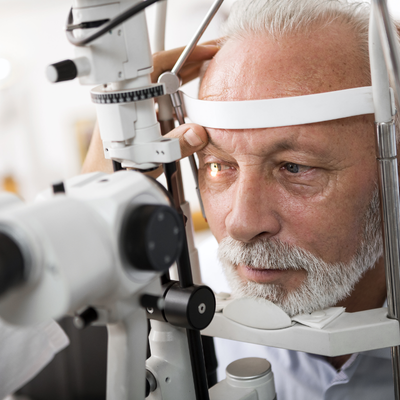
- Get regular dilated comprehensive eye exams to help detect glaucoma in its early stages.
- Exercise regularly to help reduce eye pressure.
- Wear eye protection when using power tools or playing sports to avoid serious injuries.
Summa Health offers high-quality vision care including glaucoma evaluation and treatment in an intimate and personalized setting. Visit Summa Health Ophthalmology to learn more about our team and to schedule an appointment.

Vitality eNews Sign Up
Receive the Summa Health eNewsletter for the latest health tips, advice and updates.