
Welcome to Digestive Health
Most of us experience common digestive problems like diarrhea or constipation, which often occur without any underlying disease and can be attributed to stress, inadequate exercise, or changes in routine or diet. However, gastrointestinal problems can cause a variety of other symptoms, including:
- Nausea
- Vomiting
- Gas/bloating
- Indigestion, heartburn or gastroesophageal reflux disease (GERD)
- Fecal incontinence – accidental stool leakage/pelvic floor disorders
- Abdominal pain
- Jaundiced, itchy skin
- Loss of appetite
- Unplanned weight loss
The Summa Health digestive health team is your comprehensive resource for diagnosing and treatment of diseases and conditions that affect the intake and digestion of food and other nutrients. This includes a number of comorbid chronic conditions such as hepatitis C, depression and metabolic syndrome that can adversely impact digestive health. We do so by concentrating on the following key areas:
- Reflux and swallowing disorders
- Stomach disorders
- Small bowel disorders
- Large bowel and rectum (anal) disorders
- Gallbladder disorders
- Liver and Pancreas disorders
To schedule an appointment with our team of medical and surgical specialists, visit our locations page below.
Awards



John Myers
Digestive Health patient
After being in septic shock, John had the ERCP procedure at Summa Health that he credits with saving his life.
Services

Reflux and Swallowing Disorders
Do you often experience heartburn, belching or a sour-tasting fluid in your throat? Do you regularly cough during or right after eating or drinking? If so, you’re not alone. More than 15 million Americans have some form of a swallowing disorder. It can occur at any age. It can be caused by injury, a nerve or muscle problem or even cancer. It can be temporary, or indicative of a more serious medical problem.

Stomach Disorders
Most people at one time or another have a problem with their stomach: indigestion and bloating are common complaints. Many times, stomach problems can be alleviated with over-the-counter medications and lifestyle changes. Others require medical attention.

Small Bowel Disorders
There are numerous types of disorders affecting the small intestine. Some conditions affect the way food is digested and absorbed within the body. Others are caused by inflammation, ulcers or infection. Small bowel problems can lead to further complications if left untreated, so it is crucial to see a doctor if you suffer from symptoms.

Large Bowel Disorders
The large bowel, also known as the colon or large intestine, begins at the region just at or below the right waist and continues from the small intestine and up the abdomen. The major function of the large intestine is to absorb water from the remaining indigestible food matter and transmit the useless waste material from the body.
Gallbladder Disorders
The gallbladder is a pear-shaped sac found just below the liver that is the “holding area” for bile. Bile is produced by the liver to help digest foods. The gallbladder releases the bile into the small intestine to help break down food, particularly fatty foods.
Liver and Pancreas Disorders
The liver helps with detoxification, digestion through bile production, and metabolism. The pancreas regulates blood sugar by producing hormones like insulin, and aids digestion by releasing enzyme-rich pancreatic juice into the small intestine.
Special Procedures
Summa Health’s digestive team specializes in diagnosing and treating a variety of disorders through advanced, minimally invasive endoscopic procedures. Two such procedures include using endoscopic retrograde cholangiopancreaticography (ERCP) to perform endoscopic therapy of bile duct stones, as well using endoscopic ultrasound, EUS-guided fine-needle aspiration and biopsy for endoscopic staging of gastrointestinal and biliary cancers.Resources
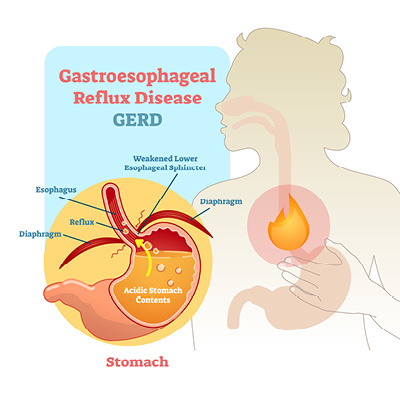
Extinguishing the Burn of GERD
It’s not a very tantalizing subject but nearly everyone has experienced reflux at some point in their lifetime. Let’s dive into this subject a bit further with some commonly asked questions.
Understand Your Gut Health - A Helpful Guide to Probiotics
Your body is full of bacteria – in fact, the bacteria in your body outnumber your cells 10 to one. The majority of that bacteria lives in your gut, and most of it is not only harmless, but helpful to your body’s functions.
Colon Cancer Screening: What Are Your Options?
Colorectal cancer is one of the most preventable, treatable and beatable cancers; however, early detection is key.Meet Our Team
All our physicians participate with NewHealth Collaborative, the Summa Health Accountable Care Organization (ACO). To schedule an appointment, visit our locations page and select a practice near you.
Locations
Summa Health Medical Group Gastroenterology
75 Arch Street, Suite 301
Akron, OH 44304
View on map.
Summa Health Medical Group Colorectal
95 Arch, Suite 115
Akron, OH 44304
View on map.
Summa Health Medical Group – Advanced Laparoscopic Surgery (ALS)
95 Arch Street, Suite 240
Akron, OH 44304
View on map.
Summa Health Green Medical Center
1835 Franks Parkway
Uniontown, OH 44685
View on map.
Summa Health Medina Medical Center
3780 Medina Rd., Suite 220
Medina, OH 44256
View on map.
Summa Health Endoscopy Center
Summa Health Richard M. and Yvonne Hamlin Pavilion
Summa Health System – Akron Campus
95 Arch Street, Suite G55
Akron, OH 44304
View on map.
Summa Health Endoscopy Suite
Summa Health System – Barberton Campus
155 5th Street NE, Suite 10
Barberton, OH 44203
View on map.
Summa Health Endoscopy Suite
Summa Health Wadsworth-Rittman Medical Center
195 Wadsworth Rd.
Wadsworth, OH 44281
View on map.
Summa Health Endoscopy Suite
Summa Health Medina Medical Center
3780 Medina Rd.
Medina, OH 44256
View on map.