Can’t Sleep? What to Know Before Reaching for Pills
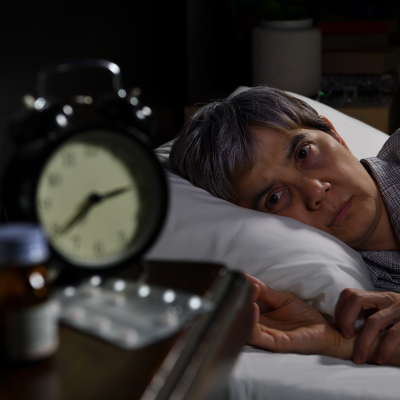
Tossing and turning, staring wide-eyed at the clock and counting sheep to no avail is no way to spend your nights. Not only is it frustrating and inconvenient, but sleepless nights also can have a lasting negative impact on your daily life and overall health.
Chronic sleep deprivation increases the risk of depression and anxiety, memory and concentration problems, reduced immunity and even heart disease and diabetes.
While practicing good sleep hygiene is the first step to improving your sleep, sometimes you need a little extra help to get quality shuteye and wake up feeling refreshed and ready to tackle the day.
To address sleep problems like insomnia or occasional sleeplessness, many people turn to sleeping pills or sleep aids to help them fall asleep faster, reduce nighttime awakenings or sleep longer. Sleep aids can help alleviate daytime drowsiness and impaired thinking caused by sleep deprivation or reset your sleep schedule to get you back on track.
There’s a wide range of sleep aids available at your pharmacy — from prescription to over-the-counter options to dietary supplements — and studies show more and more people are taking them.
But before you reach for a sleeping pill, understand the potential risks and talk to your doctor. Sleep aids aren’t meant for long-term use because they can come with unwanted side effects and be habit-forming.
Summa Health answers your questions about sleeping pills and how to get a good night’s rest. Along with eating right and exercising regularly, good sleep is one of the pillars of good health.
How do sleep aids work?
Most sleep aids work by inducing a sedative effect, which promotes drowsiness and relaxation, helping you fall asleep and stay asleep throughout the night. Others work by quieting parts of the brain that keep you alert.
There are 3 main types of sleep aids, which differ in how they work:
- Prescription sleep aids: These medications have the strongest potency and are typically used for severe cases of sleep disorders. Prescription sleep aids work in several ways, depending on their chemical composition. For example, some slow down brain activity to induce sleepiness, while others block a specific chemical that stimulates alertness. Another can stimulate melatonin; a hormone your body naturally produces with darkness to set the stage for sleep.
- Over-the-counter sleep aids: These medications are available without a prescription and aren’t as heavily regulated by the U.S. Food and Drug Administration (FDA). Most OTC sleep aids are composed of antihistamines, which are used to treat allergies but have a sedating effect. Some also may contain pain-relieving medicine like acetaminophen or ibuprofen, which can add to side effects or be dangerous to those with certain health conditions.
- Sleep supplements: These products utilize natural ingredients, such as melatonin, chamomile or valerian root. However, because the FDA doesn’t regulate dietary supplements, they can contain varying dosages and poor-quality ingredients that may cause side effects or interact with other medications.
Which sleeping pills work best?
Everyone responds differently to medicine, so there isn’t one sleep aid that works best for all. It can take some trial and error, and the best option for you will depend on your specific sleep issue, age, overall health and any other medications you’re taking.
For example, certain sleep aids work quickly to help you fall asleep faster, while others are slow acting, helping you stay asleep throughout the night and reduce nighttime awakenings.
For short-term sleep disturbances, such as jet lag or adjusting to a new work schedule, over-the-counter sleep aids and sleep supplements can help with fewer side effects.
For more stressful events, like a divorce or death, a prescription sleep aid may be effective to help you get restful sleep during a difficult few months.
For chronic insomnia that occurs three or more nights a week for more than three months, medication should be part of a larger treatment plan, as most sleeping pills aren’t meant for long-term use. Your provider will likely try other strategies, such as cognitive behavioral therapy and lifestyle changes, to better manage insomnia.
Additionally, your provider will assess you to determine if there is an underlying condition contributing to your insomnia. Sometimes, treating the underlying condition can resolve the issue instead of simply treating the symptoms.
Are sleeping pills safe?
If you’re considering any type of sleeping pill, it’s important to talk to your doctor first. While many sleep aids are considered safe for short-term use when used as directed, they can come with potential risks.
Sleep aids aren’t meant for long-term use because they can be habit-forming, which means you can develop tolerance and require a higher dose to achieve the same effect. Higher doses can mean stronger side effects.
Additionally, sleep aids can interact with other medications you’re taking, and in some cases, they can combine to cause significant side effects. They also can be dangerous to an unborn baby.
And like all drugs, sleep aids can cause unwanted side effects, such as:
- Next-day drowsiness. Some sleep aids’ sedative effect can last long after you’ve woken up for the day. You may experience excessive drowsiness or impaired thinking, which can negatively impact your work or school performance and ability to complete daily tasks. It also puts you at greater risk of accidents or injury.
- Disorientation. A strong sedative in sleep aids can cause dizziness, confusion or difficulty concentrating. It can be dangerous and put you at greater risk of falls or accidents.
- Rebound insomnia. If your body becomes dependent on sleeping pills, once you stop taking them, your insomnia can become worse than before, known as rebound insomnia.
- Unusual behavior. In rare cases, certain classes of sleep aids can cause some people to have abnormal behavior, such as sleepwalking, talking or even driving in their sleep. Many people don’t remember this unusual behavior after waking up.
- Allergic reactions. While rare, some people have allergic reactions to sleep aids.
Because of these side effects, which can be dangerous in some cases, always take a sleeping pill right before going to bed once all your tasks for the day are complete.
Also, never take sleeping pills with other sedatives like alcohol or drugs. Combining drugs that depress the central nervous system can lead to slowed breathing and unconsciousness.
How can I improve sleep without medication?
Sometimes, the best way to better sleep doesn’t involve a sleep aid at all. Diet and lifestyle changes, combined with good sleep hygiene practices, can promote better sleep and overall health. Cognitive behavioral therapy for insomnia (CBT-I) is considered the gold standard for the long-term treatment of insomnia.
Make these sleep habits a part of your routine for more restful sleep:
- Be consistent: Go to bed at the same time each night and wake up around the same time every morning — even on weekends — to reinforce your body’s sleep-wake cycle.
- Establish a relaxing bedtime routine: Include calming activities in your bedtime routine, such as taking a bath or practicing relaxation techniques, to prepare your body and mind for a restful night’s sleep.
- Create a calming environment: Ensure your bedroom is quiet, dark and at a comfortable temperature for sleeping.
- Turn off electronics about 30-60 minutes before bedtime: The blue light emitted by electronics, such as TVs, computers and smartphones, stimulates the brain and can suppress the production of melatonin, making it more difficult to turn off your brain and fall asleep.
- Exercise daily: Regular exercise helps relieve stress and anxiety while also promoting better sleep and improved sleep quality. Just be sure you’re not active too close to bedtime.
- Avoid alcohol or caffeine too close to bedtime: These substances can interfere with either falling asleep or staying asleep.
- Use caution with naps: If you nap for too long or too late in the day, it can interfere with your sleep schedule and make it more difficult to fall asleep at night.
- Manage worries: Try to resolve your worries or stressors before bedtime to promote better sleep. Consider incorporating stress management techniques, such as meditation, journaling or talking to a close friend or partner.
If these strategies aren’t working and you’ve been struggling to get a good night’s rest for more than two weeks, talk to your doctor. In addition to lifestyle changes, you might need a little help from sleep aids to improve your sleep. And everyone deserves a restful night of sleep to tackle the day ahead. To make an appointment with a Summa Health sleep expert, visit summahealth.org/sleep or call 330.835.5531.
About the author
https://mychart.summahealth.org/mychart/app/providers/1063681187/WP-24zG-2FvwqysxeAu-2BcGSJORKug-3D-3D-24U-2B9WW4rh3MbR5-2F05kMUML-2BNLgxxnLvtBf2GXuIRx0Is-3D

A sleep medicine specialist with clinical interests in Sleep Apnea, Narcolepsy, Hypersomnia, Insomnia, Restless Legs Syndrome and REM Sleep Behavior Disorder.
View All Ketan Deoras, MD's Content
Vitality General Wellness eNews Sign Up
Receive the Summa Health eNewsletter for the latest health tips, advice and updates.