Sunburn, Sun Poisoning & Heat Rash: A Guide for Care & Prevention
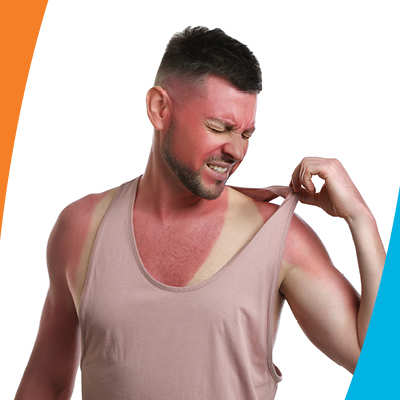
As Ohio shifts from its gray season to summer sun, the temperature rises and so does your skin's risk for common heat-related conditions like sunburn, sun poisoning and heat rash. While they share similar causes — heat and sun exposure — their symptoms and treatments differ.
Learning the important details and differences about these conditions will give you everything you need to know to stay safe and comfortable under the summer sun.
What is a Sunburn?
It is more than just a common skin reaction to excessive exposure to UV rays; sunburn causes inflammation and cellular damage of the skin. Depending on your skin’s tolerance for exposure, a few hours in the sun can sometimes mean days of pain and/or discomfort. Excess sun exposure and repeated sunburns can lead to premature skin aging and skin cancer.
Sunburn Symptoms:
- Red, inflamed skin
- Pain, tenderness and/or excess warmth (to the touch)
- Peeling after 2 – 3 days
- Severe cases: blisters, headache, nausea, fatigue, fever and other flu-like symptoms
Sunburn Prevention Tips
The easiest way to prevent a sunburn is to avoid exposure during peak UV hours (10 a.m. – 4 p.m.). If you are going to be exposed to UV rays, apply a broad-spectrum SPF 30+ sunscreen and remember to reapply every two hours or after swimming. Another option is to wear UV-protective clothing, hat and sunglasses.
Natural Sunburn Treatments:
- Cool baths or compresses
- Aloe vera gel, fragrance-free lotion, ointments like petroleum jelly
- Be sure to avoid any gels or lotions with alcohol or similar ingredients. These gels/lotions will increase your skin’s dryness.
- Stay hydrated and avoid sun exposure until the affected area is healed.
- Use over-the-counter medications (ibuprofen) for assistance with inflammation and pain.
What is Sun Poisoning?
Sun poisoning goes beyond a typical sunburn. Sun poisoning is a severe reaction to overexposure to UV radiation that is often accompanied by systemic symptoms like dehydration and fever. It is not uncommon for people with sun poisoning to seek medical treatment.
Sun Poisoning Symptoms:
- Severe red or blistering sunburn
- Fever, chills and/or nausea
- Dizziness or fainting
- Swelling of the skin, lips or eyes
How to Prevent Sun Poisoning
If you’re sensitive to UV rays or are at risk for sun poisoning, limit time outdoors — especially during peak hours (10 a.m. – 4 p.m.). Watch for photosensitive medication warnings as some medications can increase photosensitivity which can cause your skin to burn easier. Use a sunscreen of at least 30 SPF, apply it 15–30 minutes before sun exposure and follow all the guidelines for reapplication. Wearing hats, sunglasses and light layers will also help reduce exposure and help prevent sun poisoning.
Treatment for Sun Poisoning:
- Seek medical attention for extreme cases.
- Drink electrolyte-rich fluids (Gatorade, Powerade, Pedialyte, etc.) to help maintain hydration.
- Use cold compresses and healing creams to help relieve sensitivity and pain.
- Avoid direct sun exposure for several days.
What is a Heat Rash?
Also known as miliaria or “prickly heat,” this rash can occur when sweat becomes trapped in blocked sweat ducts, causing small red bumps. While a heat rash may also occur during the warmer, brighter times of year, they are not due to exposure to the sun or UV rays.
Heat Rash Symptoms:
- Itchy red bumps or tiny blisters
- Mild swelling
- Common in folds: neck, armpits, groin
Heat Rash Prevention
The ways to prevent heat rash differ significantly from the advice on preventing sunburn and sun poisoning. First, to avoid heat rash, wear light, breathable clothing whenever possible. Second, if you can, stay in cool, dry environments that will help prevent excessive sweating. Also, use talc-free powder to help keep skin dry in hot, humid conditions. Finally, avoid heavy creams or oils that can trap moisture in bodily areas prone to a heat rash eruption.
Heat Rash Treatment Tips:
- Gently clean and dry the skin.
- Use calamine lotion or hydrocortisone cream to help reduce irritation.
- Avoid scratching.
- After following the methods above, the rash usually resolves in a few days.
Final Tips for Summer Skin Protection
- Reapply sunscreen often — even on cloudy days. Remaining proactive about (re)application is the easiest way to prevent sunburn or sun poisoning.
- Hydrate before, during and after sun exposure. Every ounce of sweat is moisture and electrolytes leaving your body, which need to be replenished.
- Be aware of all possible side effects of any prescription medications you take. Many medications can increase your skin’s overall sun sensitivity.
- Know the signs of sun damage early to avoid complications.
- Protecting your skin isn’t just about comfort — it’s about maintaining a sense of proactivity regarding your long-term health. With this knowledge and a little preplanning, you can enjoy the sunshine safely all season long without worries of pain, discomfort or additional health issues.
If you’re concerned about any of these skin conditions and need to consult a physician, Summa Health offers virtual visits for your convenience.

Vitality General Wellness eNews Sign Up
Receive the Summa Health eNewsletter for the latest health tips, advice and updates.