Having a Heart Attack? Put Down the Car Keys.
By Saurav Uppal, M.D., Interventional Cardiology
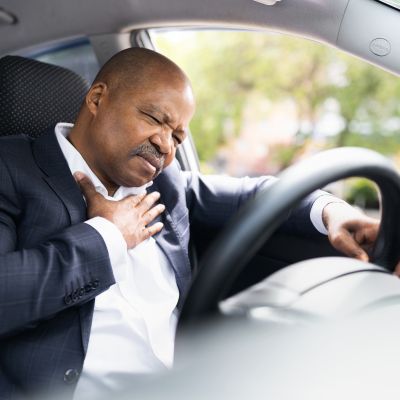
When someone experiences symptoms of a heart attack, their first instinct is often to get to the hospital as quickly as possible. For many people, that means grabbing their keys and driving themselves – or having a loved one drive them to the emergency department.
It may seem like the fastest option, but it isn't.
If you think you're having a heart attack, the most important thing you can do is call 911.
Every Minute Matters
During a heart attack, blood flow to part of the heart is blocked. Without oxygen, heart muscle begins to die. The longer treatment is delayed, the greater the damage.
That's why healthcare providers often say, "Time is muscle."
Heart attack symptoms can range from sudden, severe chest pain to more subtle warning signs that develop over hours or even days. Common symptoms include:
- Chest pain or pressure
- Pain in the arms, jaw or back
- Shortness of breath
- Unusual fatigue
- Nausea or vomiting
- Dizziness
- Anxiety or a feeling that something just isn't right
No matter how mild or severe the symptoms may seem, don't wait to see if they improve.
Why Calling 911 Makes a Difference
Emergency Medical Services (EMS) do much more than provide transportation. Paramedics can begin evaluating and treating you before you ever arrive at the hospital. They can monitor your heart rhythm, communicate with the emergency department and ensure you're taken to the appropriate facility for your condition.
Most importantly, they can provide life-saving care if your condition suddenly worsens.
Heart attacks can quickly lead to dangerous heart rhythms or cardiac arrest. If that happens while you're behind the wheel, you're putting yourself – and others on the road – at risk.
Faster Care Starts Before You Arrive
Data presented by Summa Health's Heart and Vascular team shows that patients who arrive at the hospital by ambulance receive treatment more quickly than those who drive themselves.
In fact, patients arriving by EMS reached treatment in less than 60 minutes on average, while self-transported patients experienced longer delays.
Those minutes matter.
The sooner blood flow is restored, the better the chances of preserving heart muscle and improving outcomes.
What To Do If You Think You're Having a Heart Attack
Remember these three steps:
- Recognize the symptoms.
- Call 911 immediately.
- Let EMS transport you to the hospital.
Do not drive yourself. Do not ask a family member to "see how you're feeling in an hour." And don't assume it's just indigestion or stress.
Your heart is asking for help. Listen to it.
A Simple Decision That Could Save Your Life
Most people don't expect to have a heart attack. But knowing what to do before an emergency happens can make all the difference.
The next time someone says, "I'll just drive myself," you'll know the answer:
Put down the car keys and pick up the phone.
To learn more, visit summahealth.org/heart or call 888.884.8272 to make an appointment with the Summa Health Heart and Vascular Institute.
About the author

Saurav Uppal, M.D.
Interventional cardiologist
Dr. Saurav Uppal, an interventional cardiologist, specializes in interventional cardiology, cardiac catheterization, and atherosclerosis risk and prevention. He is board certified in internal medicine, cardiovascular disease and echocardiography with expertise in interventional cardiology. He is fluent in English, Hindi and Punjabi.
View All Saurav Uppal, M.D.'s Content
Vitality General Wellness eNews Sign Up
Receive the Summa Health eNewsletter for the latest health tips, advice and updates.