Healthy Blood Vessels, Healthier You

By Joseph McShannic, M.D., FACS
Why Vascular Health Matters More Than You Think
When people think about their health, they often focus on their heart, weight or blood pressure. But vascular health – the health of your blood vessels – is just as important.
Your blood vessels carry oxygen and nutrients throughout your body. When they become narrowed, blocked or weakened, they can contribute to serious conditions, including peripheral artery disease (PAD), stroke and aneurysms.
Fortunately, there are steps you can take to lower your risk.
What Is Vascular Disease?
Vascular disease refers to conditions that affect blood vessels outside of the heart. One of the most common causes is atherosclerosis, or "hardening of the arteries," which occurs when plaque builds up over time.
Vascular disease can affect nearly every part of the body, including the:
- Legs (peripheral artery disease)
- Neck (carotid artery disease)
- Kidneys
- Intestines
- Aorta and other arteries (aneurysms)
Peripheral artery disease affects nearly 20% of adults age 60 and older, yet many people don't know they have it until symptoms begin affecting their daily activities.
Signs You Shouldn't Ignore
Symptoms vary depending on where vascular disease develops. Reduced blood flow in the legs may cause:
- Pain or cramping when walking
- Tiredness or weakness
- Pain that improves with rest
- Slow-healing sores or ulcers
Carotid artery disease can increase the risk of transient ischemic attacks (TIAs) and stroke, while aneurysms often have no symptoms until they become a medical emergency.
Your Lifestyle Plays a Bigger Role Than Genetics
While some risk factors can run in families, most vascular disease is closely tied to lifestyle choices.
The biggest risk factors include:
- Smoking
- High blood pressure
- High cholesterol
- Diabetes
- Lack of exercise
- Excess weight
- Heart disease
- Kidney disease
The Best Exercise? The One You'll Actually Do.
Exercise doesn't have to mean running marathons or spending hours in the gym. The best exercise for you is the one that you will do every day. Whether it's walking the neighborhood, swimming laps, riding a bike or taking a water aerobics class, consistency is key. Aim for at least 30 minutes of activity that raises your heart rate most days of the week.
Don't forget to strengthen the muscles you don't see in the mirror, including your back, shoulders and legs. Maintaining strength and mobility can make everyday activities – from climbing stairs to carrying groceries – easier as you age.
Eat Simple
When it comes to diet, vascular health doesn't require a complicated meal plan. Focus on moderation and choosing simple, minimally processed foods whenever possible. It’s also important to get adequate protein each day, such as:
- Lean meats
- Fish
- Eggs
- Poultry
Limiting highly processed foods and excess calories can help support healthy cholesterol levels and maintain a healthy weight.
Know Your Numbers
One of the best things you can do for your vascular health is to schedule regular checkups with your primary care provider.
Important numbers to monitor include:
- Blood pressure
- Cholesterol
- Blood sugar and A1C
- Weight
Routine exams can also help identify warning signs of vascular disease before symptoms develop.
It's Never Too Late to Start
Vascular disease is progressive, meaning it can worsen over time. While plaque that's already present in the arteries typically requires a procedure to remove or bypass, medications and healthy habits can help slow or stop the disease from progressing.
Taking care of your vascular health doesn't require perfection. It starts with simple choices: taking a daily walk, quitting smoking, eating balanced meals and staying on top of preventive care.
Because when your blood vessels are healthy, the rest of you has a better chance of being healthy, too.
To learn more, visit summahealth.org/heart or call 866.487.5913 to make an appointment with a vascular specialist at the Summa Health Heart and Vascular Institute.
About the author
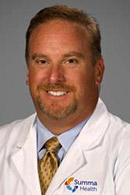
Joseph McShannic, MD
Vascular Surgeon
Specializes in vascular diseases such as cholesterol build up in arteries and enlargement of blood vessels and varicose veins.
View All Joseph McShannic, MD's Content
Vitality General Wellness eNews Sign Up
Receive the Summa Health eNewsletter for the latest health tips, advice and updates.