A Warm, Buttery Flavor — and a Risk of Irreversible Lung Damage
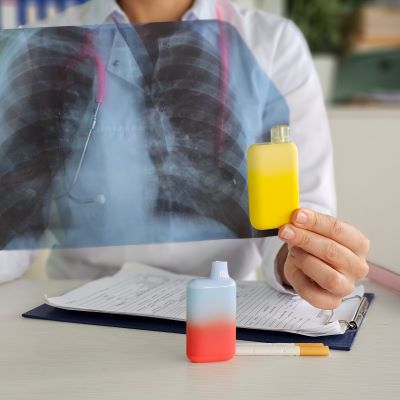
After decades of prevalent tobacco warnings, the popularity of vaping has increased significantly — particularly among individuals looking for an alternative to smoking cigarettes. The attraction to vaping is often due to its variety of flavors, the belief that it is less harmful than smoking and the convenience of e-cigarettes. However, along with the rise in vaping's popularity, concerns regarding its long-term health effects have escalated. One of the most significant risks that has gained attention is the potential development of a serious respiratory disease nicknamed popcorn lung.
What is Popcorn Lung?
Popcorn lung (bronchiolitis obliterans), is a disease that damages the tiny airways in the lungs, known as bronchioles. This condition causes the airways to become inflamed and permanently scarred, leading to reduced airflow and difficulty breathing. The term popcorn lung was coined in the early 2000s when popcorn factory workers started getting sick. The cause was traced back to exposure to a chemical called diacetyl, which was used in artificial butter flavoring.
While popcorn lung is a rare disease, its association with vaping has raised concerns in the healthcare community.
The Link Between Vaping and Popcorn Lung
While it is more commonly used in food products for its buttery flavor, diacetyl has also been found in butter, cream and custard e-cigarette flavors. Although the exact amount of diacetyl in e-cigarettes varies, research suggests even low levels of exposure may pose a risk to lung health.
Studies conducted in recent years have shown some flavored e-liquids still contain diacetyl, even though manufacturers have claimed it has been removed from their products. The presence of diacetyl in vaping products has sparked concerns, especially as vaping continues to be marketed as a safer alternative to smoking, and more young people take up the habit.
How Does Diacetyl Affect the Lungs?
When diacetyl is inhaled, it can lead to severe lung damage. This is particularly dangerous because it doesn’t just affect the large airways; it travels to the small airways deep within the lungs, leading to scarring and inflammation. Popcorn lung has no lasting treatment. There are supportive measures that can help manage symptoms. As the disease progresses, the lungs become less efficient at transferring oxygen to the bloodstream, leading to symptoms such as:
- Persistent cough
- Shortness of breath
- Wheezing
- Fatigue
- Chest pain or tightness
- Coughing up blood or blood-tinged mucus
Risks of Vaping: Are You at Risk?
While the risk of developing popcorn lung from vaping is still being studied, it’s clear certain factors can increase the chances of harm:
- Flavored E-Liquids: E-liquids, particularly those with buttery, creamy or custard-like flavors, may contain diacetyl or other harmful chemicals. If you’re a regular user of flavored e-cigarettes, your risk of exposure increases.
- Frequency of Use: The more you vape, the higher the potential for harmful chemicals to deposit in your lungs. Even e-cigarettes without diacetyl may contain other chemicals capable of causing lung damage over time.
- Low-Quality or Unregulated Products: Many e-liquids are produced without regulation or quality control. This can lead to inconsistencies in the ingredients, increasing the risk of exposure to harmful substances.
- Young Users: Teenagers and young adults are particularly vulnerable to the risks of vaping, as their lungs are still developing. Furthermore, studies suggest that nicotine exposure at an early age can have long-term effects on brain development and lung health.
Can Popcorn Lung Be Prevented?
The best way to prevent popcorn lung and other vaping-related illness is to avoid vaping altogether. While vaping may seem less harmful than smoking, it still carries risks, especially if the products contain harmful chemicals like diacetyl.
If you’re already vaping and concerned about the potential risks, consider the following:
- Check the Ingredients: Look for e-liquids that are labeled as diacetyl-free. Keep in mind the long-term effects of other chemicals in e-liquids are still unknown.
- Limit Use: Reduce your frequency of vaping, especially with flavored e-liquids, to decrease your exposure to harmful chemicals.
- Consider Quitting: If you’re using vaping as a smoking cessation tool, it’s important to have a plan in place to quit altogether. There are many resources available to help transition from vaping or smoking to a healthier lifestyle.
Secondhand Vapor Isn’t Safe Either
It’s a myth that secondhand vapor from e-cigarettes is harmless. Many people think secondhand vapor is just water, but this couldn’t be farther from the truth. The vapor emitted when someone exhales contain a variety of dangerous substances, which may include:
- Nicotine
- Ultrafine particles
- Diacetyl
- Benzene (a chemical also found in car exhaust)
The Bottom Line
While vaping is often seen as a safer alternative to smoking, it still creates health risks. The potential for developing popcorn lung from inhaling chemicals like diacetyl should not be taken lightly. As more research is conducted on the long-term effects of vaping, it’s important to stay informed and make choices that prioritize your health. If you’re concerned about vaping’s potential impact on your lungs, it’s always a good idea to consult a healthcare professional for advice.In the end, the best way to protect your lungs is to avoid exposure to harmful chemicals, whether from cigarettes, e-cigarettes or other sources. Taking steps to reduce your risk now can lead to better lung health in the future. To learn more about Summa Health’s award-winning pulmonary team, find a doctor or request an appointment, visit summahealth.org/lung or call 330.375.3000.
About the author

Vitality eNews Sign Up
Receive the Summa Health eNewsletter for the latest health tips, advice and updates.