Women's Health by Age Staying Healthy in Your 20s 30s 40s 50s and Beyond
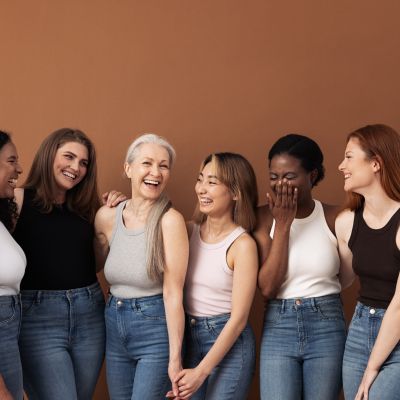
Whether you’re turning 20, 40 or 60, each new decade of a woman’s life welcomes new health milestones: from pregnancy to menopause and beyond. And while your age is just a number, it can tell you a lot about yourself and your health, for better or worse.
So, what’s the secret to staying healthy at every phase? Establish a healthy foundation in your 20s and practice preventive care throughout each decade. These steps will help keep you well throughout the changing landscape of your body and mind, no matter your age.
It’s never too late (or too early!) to start taking care of your health. Here’s your guide to staying healthy at every age and health milestone along the way — and the secret to aging gracefully.
Women’s Health: In your 20s
While you may not be experiencing significant health challenges as a young adult, your 20s are a good time to establish a healthy foundation to help prevent chronic disease that can come with age. Building healthy lifestyle habits now lays the groundwork for a happier, healthier — and perhaps longer — future.
Regular exercise is key to longevity. Physical activity is the best way to improve heart health, maintain weight, reduce stress and anxiety, increase muscle and bone strength and decrease the risk of chronic disease. Aim to get at least 150 minutes of moderate-intensity aerobic exercise (think walking, biking or swimming) each week and do muscle-strengthening activities two or more days a week.
To maintain a healthy weight, follow a diet high in fruits, vegetables, whole grains, low-fat dairy products and lean meats, such as poultry, fish, beans and eggs. Replace saturated fats from red meat, butter and fried fast foods with healthy fats from salmon, nuts and seeds. Also, limit your intake of sodium and sugar.
Getting a restful night’s sleep is the third pillar of health that contributes to a healthy heart, better weight control, balanced blood sugar, improved mood, decreased stress and so much more. Try to get seven to nine hours of sleep each night. Practicing good sleep hygiene, such as going to bed and waking up at the same time each day, can help you catch your Zzzs each and every night.
This age is also a good time to build a relationship with a primary care provider (PCP) as your go-to partner for decades to come. Your PCP will establish baseline heart health and other measures and review your family history to understand your “normal.”
In addition, your PCP will keep you up to date on preventive services like routine cancer screenings and immunizations, as well as guide you in reducing risk factors for heart disease, such as high blood pressure and cholesterol, which is the leading cause of death for women in this country.
Other important healthy habits to establish in your 20s include:
- Regular women’s health screenings, such as Pap tests, pelvic exams and STI screenings
- Staying up to date on yearly immunizations, such as flu and COVID shots
- Wearing sunscreen with at least 30 SPF to protect from skin damage
- Getting a yearly comprehensive eye exam, as eyesight declines with age
- Quitting smoking and limiting alcohol consumption to no more than one standard drink a day
Women’s health: In your 30s
For some individuals, this decade marks the beginning of starting a family, if they haven’t already. If you’re pregnant or planning to be, schedule prenatal visits and make sure you’re up to date on immunizations to protect yourself and your baby. Your provider will also likely recommend prenatal vitamins with folic acid for a healthy pregnancy.
In addition, the 30s can be a tough time for women, juggling a young family and career. And stress is one of the leading causes of anxiety and depression, and can increase your risk for heart disease, stroke, poor sleep and weight gain. Plus, high stress can lead to unhealthy behaviors, such as smoking or overeating.
Learn to deal with stress in a healthy manner. Incorporate stress-management techniques, such as deep breathing, meditation, yoga or mindfulness, to persevere and keep stress at bay. Getting a good night’s rest, exercising and spending time outdoors also reduce stress.
In addition, continue to practice the healthy lifestyle and preventive habits from your 20s. Women begin to lose muscle mass after age 30. Keeping up on strength-training exercises can help maintain muscle mass, improve bone density and prevent weight gain from a slowed metabolism.
At your next wellness visit, be sure to discuss if you’re at high risk of breast cancer, and ask about screenings for diabetes and heart disease, such as cholesterol and blood pressure.
Women’s health: In your 40s
For women in their 40s, this is the decade of transition in physical and mental health, mainly due to hormonal changes during perimenopause. Your periods may become less regular, and as estrogen levels decrease, you may have hot flashes, trouble sleeping, decreased sex drive, irritability or other mood changes.
Be sure to check in with your doctor, especially if symptoms are intense enough to affect daily activities or keep you from having a good night’s rest. The good news is that menopause symptoms often can be managed through diet, exercise and medication.
At age 40, begin getting a yearly mammogram and schedule your first colonoscopy at age 45, if at average risk.
Also, pay attention to your diet and exercise routine. It can be harder to control your weight during this time, due to hormonal changes and a slowed metabolism. Continue a healthy lifestyle and preventive habits from your 20s and 30s.
At your next wellness visit, ask about cancer screenings, any skin changes, age-appropriate vaccinations and keep a close eye on heart-healthy numbers. Women in perimenopause have an increased risk of heart disease.
Women’s health: In your 50s
This is the decade to prepare for menopause. Perimenopause likely started in your mid-to-late 40s, and the average age of menopause is 51 for women in this country.
Decreased estrogen levels in menopause can result in bone loss and increases risk of developing osteopenia/osteoporosis. Ask your doctor when a bone density test is recommended for you. And make sure you’re getting enough calcium and vitamin D, preferably through diet, and keep up on strength-training exercises to keep muscles and bones strong.
In addition, keep your eye on heart health as heart disease can be silent until it’s severe. Discuss a heart-healthy lifestyle with your PCP and stay up to date on cardiovascular screenings. Maintaining a healthy lifestyle and adopting preventive habits can help manage chronic diseases.
At your next wellness visit, ask your doctor about additional screenings like lung cancer screening, especially if you smoke or used to, and vision and hearing tests, in addition to your regular mammograms and colorectal screenings. Keep up on yearly vaccinations like the flu and COVID shots, as the risk of complications from these illnesses increases with age.
Women’s health: In your 60s and beyond
By your sixth decade, you’re likely planning for retirement and enjoying the golden years. As your children move away from home, prioritize staying in touch with close family and friends, especially if you’ve suffered a loss, to avoid social isolation during your 60s and beyond.
Socializing can help ward off anxiety and depression, slow cognitive decline and improve your quality of life. Plus, it can keep you active.
In addition, look for ways to keep your mind sharp and healthy to ward off cognitive decline, like learning something new, socializing more, playing brain games like crosswords and Sudokus and doing jigsaw puzzles.
Continue to prioritize a healthy lifestyle and preventive habits while incorporating balance exercises into your weekly workout routine. Surprisingly, falling is one of the most dangerous medical issues facing older adults. In fact, one in four adults over age 65 falls each year, and it can lead to serious injury. Yoga, Pilates and Tai-Chi are great options to improve strength, coordination and flexibility.
It's important to continue regular checkups with your PCP. Discuss any emerging health issues and keep current on all blood tests and cancer screenings, as the risk increases with age. Also, ask about age-appropriate immunizations, including the shingles and pneumonia shots, because you’re more vulnerable to catching these illnesses. Lastly, continue vision and hearing tests. Cataract surgery is common for people this age and can improve their vision.
Aging is a part of life, but establishing a healthy foundation and incorporating preventive habits can help you age gracefully and enjoy the benefits of being older. You’re never too old to adopt healthy habits, so why not start today?

Vitality General Wellness eNews Sign Up
Receive the Summa Health eNewsletter for the latest health tips, advice and updates.